
Game Systems
Migration, Patrol & Sanctuary Zones
Last updated: May 28, 2026
The island has three different kinds of zones layered on top of the base map — each one is the game pushing you toward a specific style of play. Show up in the right one for your species, eat what's in it, fight (or flee) accordingly. Show up in the wrong one, get nothing.

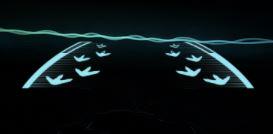
Mass-movement waypoints
Migration zones
Migration zones move large groups of dinosaurs across the map together, creating a safe(ish) corridor to gather your nutrients without being picked off alone. Built primarily for herbivores, but every species benefits from showing up — carnivores follow the herds for easy meals.
Pros
- +Increased food spawns during the migration window
- +Stronger nutrient yields from your preferred foods inside the zone
- +Better growth rate while you're stacking diet inside the zone
- +Sheer player density makes it harder for solo carnivores to single you out
Cons
- −Sheer player density also means more eyes on you if you're a smaller dino
- −Migration paths are species-specific — being in the wrong zone gives you nothing
- −Leftover food despawns ~30 minutes after a new migration zone activates, so lingering at an old one is a trap
- −Migrations don't spawn as often as they used to — current cadence is tuned down

Smaller, leader-bound, carnivore-activated
Patrol zones
Patrol zones are smaller pockets of exploration scattered across the map. They belong to an individual player — or to the group that player leads (group members automatically inherit the leader's patrol zone). Less competition than a migration corridor, more targeted gameplay.
Pros
- +Tightly-scoped — much less competition than a migration
- +Carnivore patrol zones activate after recent player activity in them, giving you a real staging point for a hunt
- +Group members share the leader's zone, so a pack moves together without confusion
- +Yields food + nutrient benefits if you actually show up
Cons
- −Patrol zones change based on YOUR position on the map, not a universal schedule — group-based animals can struggle to find species-mates inside them
- −Carnivore patrol zones aren't a guaranteed kill — they're a staging point; players might already be gone by the time you arrive
- −Smaller area = if you miss the timing, the zone moves and you're out of luck

Juvenile safe zones
Sanctuaries
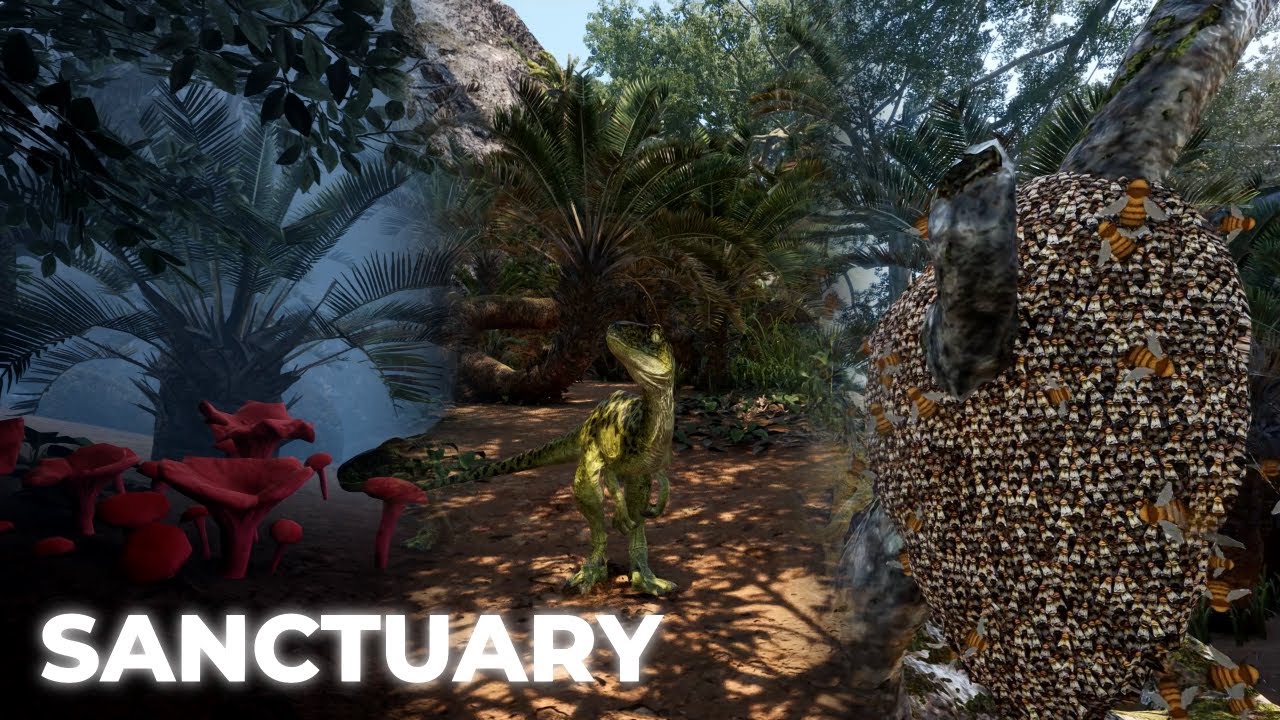
Sanctuaries are designated safe(r) areas built around juvenile growth. They contain the rare three-combo mushrooms (a single food that fills β, γ, and α at once — see our diet guide) and a built-in pressure mechanism that kicks larger predators out via bee swarms.
Pros
- +Three-combo mushrooms = instant 300% growth rate for herbivores and omnivores who eat them
- +Hatchlings and juveniles can mostly grow up here without being one-shot by a roaming apex
- +Built-in bee swarms keep larger animals from camping the zone — once you hit subadult, the bees come for you and you have to leave
Cons
- −Very dense foliage — easy to get stuck on terrain
- −Carnivore navigation is rough; you can starve trying to track prey through the brush
- −Bees eventually evict you once you grow past subadult — sanctuaries aren't a permanent home
The moving parts
Migration mechanics
The behavior of migration zones changes patch to patch, but the current shape is:
- Migration zones moveafter enough food has been consumed at the current one. They don't sit forever.
- Nutrient yields are boosted inside an active migration zone — preferred foods give more % per bite than the same food outside.
- Migration zones do not auto-grant every diet in the area anymore — you still have to find the right foods. The bonus is yield, not auto-fill.
- Some species have non-overlappingmigration zones (Pachy and Stego, for example, don't share). Check the zone before assuming your species is represented.
- ~30-minute leftover food despawn.When a new migration zone activates, the old zone's leftover food clears out shortly after. Don't linger at a closed zone hoping to scavenge.
How the smaller zones work
Patrol mechanics
Patrol zones key off of player position and group leadership, not a universal schedule.
- Personal scope— the zone belongs to YOU. Group members automatically use the leader's zone, so a pack always shares one patrol target.
- Carnivore patrol zones activate on recent player activity.A short delay after players move through a candidate area, the zone “turns on” as a staging point. It's not a guarantee you'll find someone — it's a hint at where action recently happened.
- Location-driven— patrol zones shift based on where you are on the map. If you're a herd species and your friends are across the map, you'll have different patrol zones, which can be confusing for coordination.
In development
What's coming
Afterthought has discussed two future additions to the zone system:
- Nesting patrol zones — dedicated patrol zones built around nesting sites, designed to keep parents fed and nearby without forcing them to grind for resources mid-incubation. Some nesting sites will be designed as bespoke locations harder to reach (or only reachable by certain species).
- Long-range courtship calls — eligible but unpaired animals being able to broadcast their courtship call at extended range (similar to a mating call) to find partners for a nest. Currently in testing.
Both are dev statements rather than shipped features. See the latest DevBlogs for current status.
Quick tips by play style
- • Herbivore adult. Follow the active migration zone for your species. Eat the boosted nutrient foods, stack the 3-combo, grow fast. Move on when the zone moves.
- • Juvenile / hatchling. Head to a Sanctuary. The three-combo mushrooms give you 300% growth right away, bees keep the big predators from camping you. Leave when bees start to chase you.
- • Carnivore hunter. Trail the herbivore migration zone — slow stragglers are easy meals. Use your patrol zone as a secondary staging point once it activates from recent player activity.
- • Pack leader. Your patrol zone IS your group's patrol zone. Don't split too far from your pack or their effective patrol target will start drifting based on map geography.
- • Solo small-medium dino. Migration zones are crowded — high reward, high risk. Patrol zones are quieter — if you can find food in one, you won't fight a crowd for it.
Related
- • Diet & Nutrients — the three macros that migration + sanctuary foods feed into.
- • Courting & Nesting — relevant for the upcoming nesting patrol zones.
- • Interactive Gateway map — toggle Sanctuary and Migration layers to see active zones.
Zone timing, frequency, and mechanics get tuned between patches. Behavior described here reflects the current Evrima public build.